Managing Allergies in Mission Friends: Creating a Safe Preschool Classroom
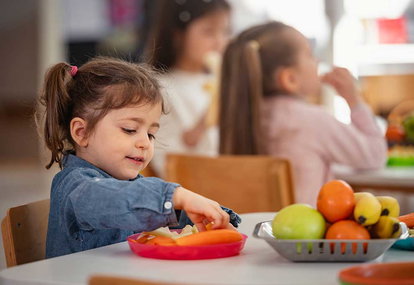
Allergic reactions can range from mild discomfort to life-threatening emergencies, so managing allergies well is an essential part of keeping preschoolers safe.
When a child has severe allergies, parents may be fearful about leaving their child in the care of others. Church leaders must be intentional, informed, and prepared to earn a parent’s trust.
Here are some practical steps you can take to manage allergies and create a safe space in which every child can learn and explore.
Know Your Group
The first and most critical step is knowing which preschoolers in your class have allergies or special dietary needs. Every child’s parents should have a completed “Mission Friends Enrollment Form” on file. This form allows parents to list any allergies — whether food-related, environmental, or contact-based — along with the severity of the reaction and any necessary medication (such as an EpiPen). Review these forms before the first session and keep a copy readily accessible each week.
Communicate with Parents
Communication is key! Before each session, provide parents with a brief overview of any planned activities that involve food or items from nature. For example, if your unit includes tasting foods from other countries or handling natural items (like leaves, flowers, or shells), send a short message or email to let parents know in advance. This gives them an opportunity to alert you to any concerns and, when appropriate, send a safe alternative. Be sure to also post an allergy alert chart outside the classroom door to alert parents to potential allergens when they drop off their child.
Whenever possible, invite parents to be part of the solution. If a child has a complex allergy or dietary restriction, his parent may be willing to send safe snacks or supplies for the whole class. Partnering with families builds trust and helps create a safe, inclusive environment.
Create a Safe Classroom
When preparing food-based activities, read all labels carefully. Watch for hidden allergens like soy, nuts, milk, or gluten. If you're unsure whether a food is safe, err on the side of caution and choose something else.
Keep a designated “allergy-safe” preparation area in your room and use separate utensils and surfaces when preparing food for preschoolers with allergies. Clean tables and hands thoroughly before and after eating or touching shared items.
Label snack containers and nature items when necessary and always closely supervise preschoolers during tasting or touch-based activities. Even items that seem harmless — like pine cones or homemade play dough — can contain allergens.
Train and Equip Volunteers
All preschool leaders should be trained in recognizing allergy symptoms and responding appropriately. Keep emergency contact information easily accessible and follow your church’s policies for parent-provided allergy medications. Know how to use an EpiPen and when to call emergency services.
Love with Awareness
Managing allergies well shows families that you care. When preschoolers with allergies can fully participate — without fear or exclusion — it reflects Christ’s heart for every child. With a few extra steps and a spirit of preparedness, you can help make your preschool classroom a safe, welcoming place for all.
by Melita Thomas